


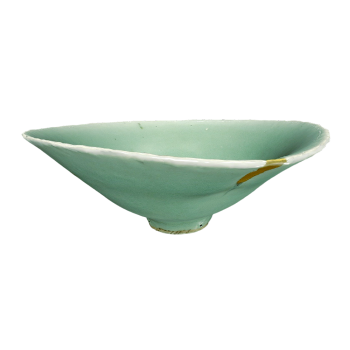
Southern Song Dynasty Longquan Kiln Green Glazed Hat Bowl
This is a Southern Song Dynasty Longquan kiln green glaze hat-style bowl. Longquan kiln from China, fired during the Southern Song Dynasty (1127-1279). Longquan kiln was a famous celadon producing area in the Song Dynasty, which reached its historical peak in the Southern Song Dynasty. The device is in the shape of a hat, the mouth is skimming outward, the circle is small, and the shape is elegant and generous. There is a fine green glaze, glaze color presents elegant turquoise, "like ice like jade" reputation, in line with the Song Dynasty introverted rational advanced aesthetic. There is an obvious damage along the bowl mouth, which has been repaired using the traditional Japanese gold (Kintsugi) process.

ceramic bowl
This is a ceramic bowl dating back to the second half of the 14th century. In 1990, it was discovered during archaeological research in the church of Tergovishtgertoglu. The bowl is high and slightly thickened at the edge, straight-walled, and annular at the bottom. The bowl body is coated with graphite inside and outside. Color: green, maroon, yellow. The center of the bowl is decorated with a geometric motif, the Star of David. The arms of the star pattern are decorated with floral patterns. Dimensions: height 8.3cm, diameter 17cm.

Blue and white striped ceramic bowl
It is a blue-and-white striped ceramic bowl, commonly known in Japan as the "ten-grass-striped" bowl. The inside and outside of the bowl are painted with radial blue stripes, a pattern traditionally known in Japan as the "ten-grass pattern", which mimics the node-like appearance of the wattle plant. Bowls of this size (about 12-14cm in diameter) are widely used in Japanese homes as rice bowls, soup bowls, noodle bowls, salad bowls or side dishes.

Etruscan period black glazed pottery bowl - Castello Banfi collection
It is a ceramic artwork from the ancient Etruscan civilization, with orange clay as the base and black paint on the surface. The interior is decorated with concentric circles, a decorative style that is quite common in ancient pottery. This specific black light bowl belongs to the "Small Seal Studio", which is a production method in the Etruscan Lazio region. It can be traced back to the 3rd century BC. This work was discovered in Poggio Almura in Montalcino and belongs to the Castello Banfi collection.

14th Century Ceramic Bowl - Minneapolis Museum of Art
A ceramic bowl from the 14th century, now housed in the Minneapolis Museum of Art, is a historically significant piece of art. Not only does it showcase the exquisite craftsmanship of medieval ceramics, but it also reflects the culture and aesthetics of the society at that time. The material is earthenware, which is a ceramic made of clay and usually fired at lower temperatures to give it a unique texture and color. The appearance is simple and elegant, and its design may have been influenced by the popular art style at that time. The surface may be decorated with patterns or motifs, which not only look beautiful but also reflect the creativity and attention to detail of the craftsmen at that time.

Medieval ceramic bowl
It is a pottery bowl from the medieval period, dating back to approximately between the 14th and 15th centuries. This cultural relic was discovered decades ago in a building near the current History Museum. It effectively showcases the appearance of daily necessities in the Girona region during the medieval period. This pottery bowl was modeled by the Pol Guiu and La Tempesta teams, with text provided by MHG and registration number MHG 8314-158. The detailed information of this model can be found on the official website of the Girona Historical Museum.

Ru kiln ceramic tea cup

Popular Models
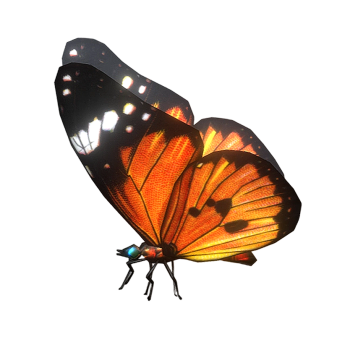

Honey Badger (3D animated model)
192 View
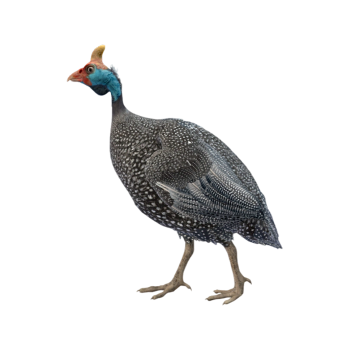
Guinea fowl (3D animated model)
163 View

Wild Goose (3D animated model)
185 View

Red Fox (3D animated model)
153 View
Random Model
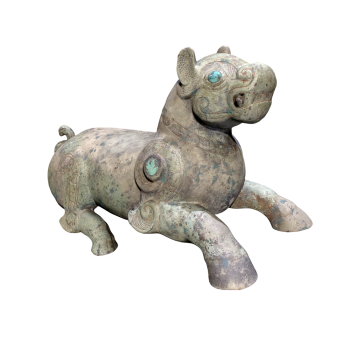
Ancient Chinese Bronze-Xizun
488 View


Wooden armchair
465 View

Gala Apple
577 View

a coffee cup
491 View
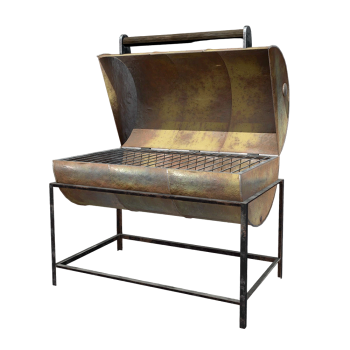
Barrel Grill
538 View



Indoor Fireplace
440 View

Golden human skull model
517 View